
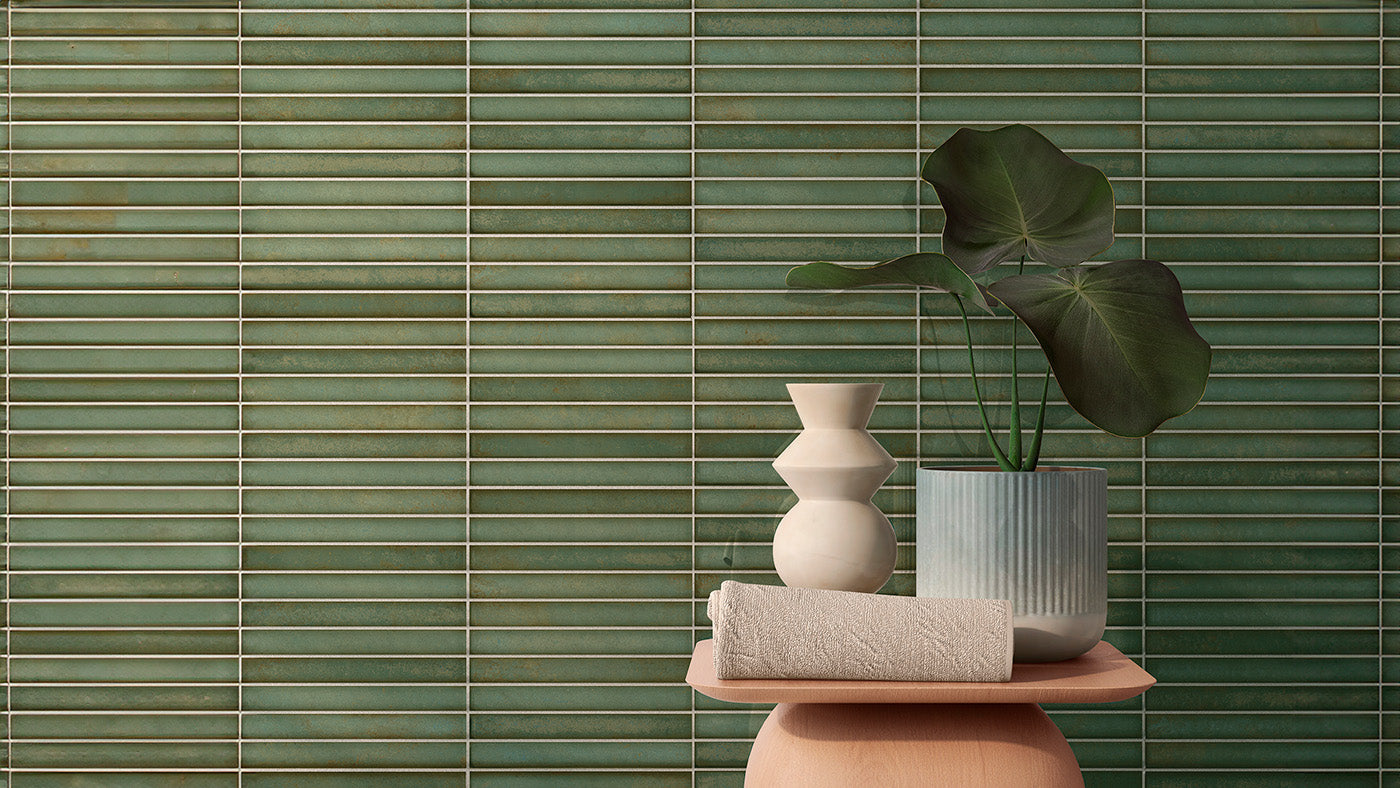
This quick guide covers the most important basics homeowners and pros use when selecting bathroom tile, kitchen backsplash tile, and floor tile, so your project looks great and works better.

1. Start with the space, not the style
Before you fall in love with a look, ask one question
Is this tile going on a wet floor, a dry wall, or outdoors
-
Shower floors and bathroom floors need more traction.
-
Shower walls and backsplashes can prioritize design and easy cleaning.
-
Outdoor areas need surfaces that handle water and weather changes.
This simple check prevents the most common remodel regret: choosing a beautiful tile that doesn’t fit the application.

2. Check slip resistance for wet interior floors
In the U.S., many tile specs reference DCOF, a traction measurement for wet, level interior floors. A commonly referenced guideline is wet DCOF 0.42 or higher for level interior areas that may be walked on when wet.
Two important notes
-
DCOF is a comparison tool, not a guarantee of safety.
-
No floor tile is slip-proof.
If you’re choosing bathroom floor tile or an entryway tile that might get wet, traction matters as much as the look.

3. Choose porcelain when you need low absorption
For Florida bathrooms, kitchens, and many outdoor applications, porcelain tile is a popular option because of its very low water absorption. Under ANSI A137.1, porcelain tile has a water absorption of 0.5 percent or less when tested in accordance with ASTM C373.
Why this matters for remodeling:
-
Lower absorption supports durability in humid environments.
-
It’s a strong option for floors and high-use areas.
-
It’s easier to maintain compared to more porous materials.
If you’re searching online for “best tile for bathrooms” or “best tile for kitchens,” porcelain is often the answer because it performs well in real life.

4. Pick the finish based on cleaning and daily use
Finish affects both the look and the maintenance.
-
Matte and textured finishes can help hide water spots and add grip.
-
Glossy finishes reflect light, brightening walls, especially in smaller bathrooms.
-
For kitchen floors, choose finishes that stand up to traffic and are easy to wipe clean.
This is where planning pays off. A beautiful finish that looks perfect under showroom lights might behave differently in your kitchen lighting or with daily cooking splashes.

5. Use one simple design rule for a high-end look
If you want a kitchen or bathroom that feels cohesive, use this rule
Keep your main surfaces calm and add one statement
Examples:
-
Neutral floor tile plus a bold backsplash.
-
Simple shower wall tile plus a textured niche or accent strip.
-
Large format look on the main wall, plus one contrasting feature wall.
This approach is popular because it feels modern, intentional, and easier to live with in the long term.
See it in your space before you buy
Tile can look different depending on your lighting, wall color, and countertop tone. That’s why the smartest move is testing choices visually before ordering. At DAX, you can explore options online, use Visualizer to preview tiles in your room, and then shop online or visit a showroom to compare finishes in person.
If you’re planning a bathroom renovation, kitchen remodel, or upgrading floors, the right tile starts with the right match for your space.


Leave a comment
This site is protected by hCaptcha and the hCaptcha Privacy Policy and Terms of Service apply.